
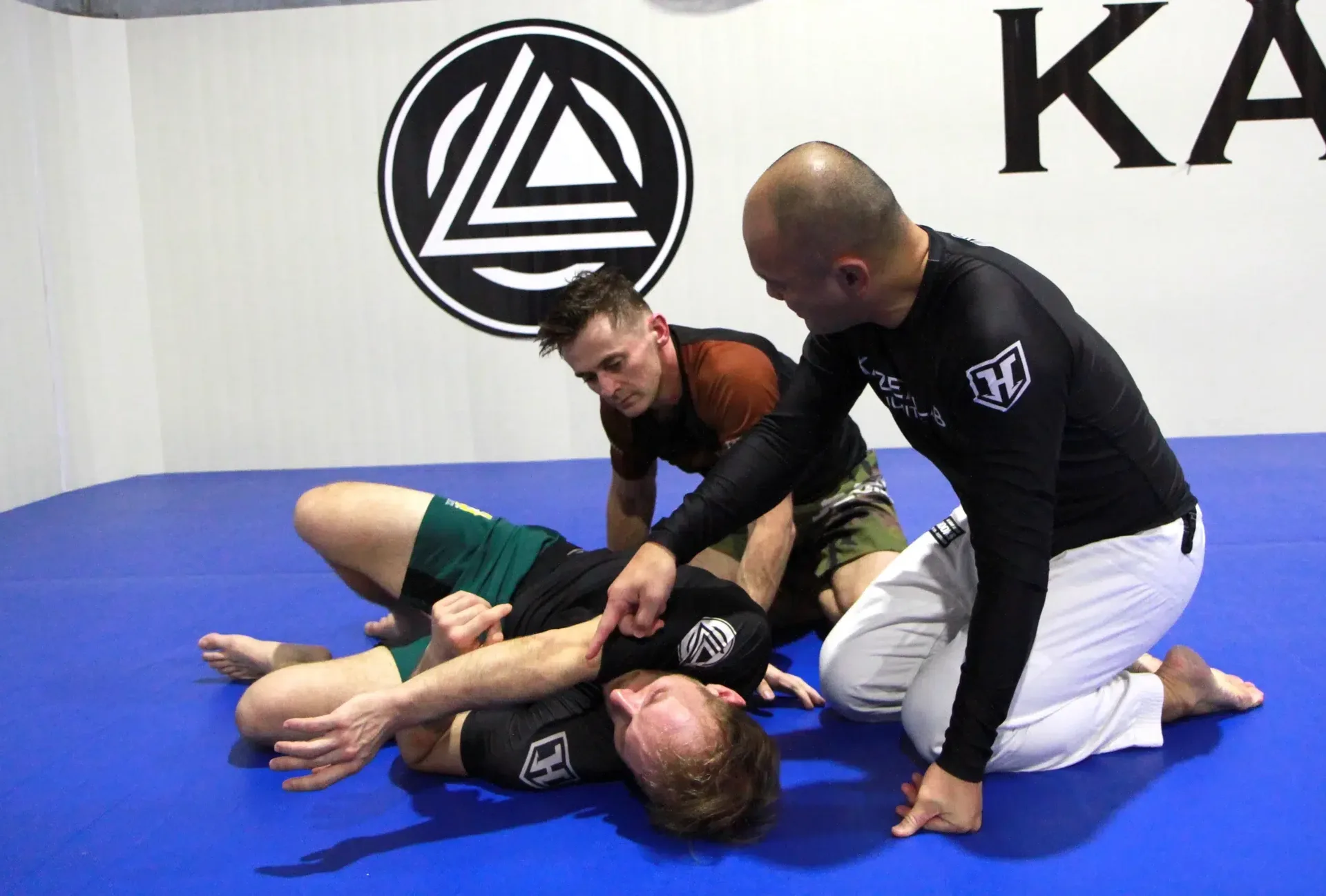
In the dynamic world of Brazilian Jiu-Jitsu, mastering No Gi Jiu-Jitsu can elevate your game, offering the freedom of movement and speed that traditional gi techniques often restrict. Whether you’re a seasoned practitioner or a curious beginner, understanding the nuances of No Gi is crucial for ultimate success on the mat. This article delves into the top techniques and essential tips that will sharpen your skills and enhance your strategy, enabling you to flow more effectively during your rolls. From grips and positioning to submissions and escapes, exploring these key elements will equip you with the tools necessary to outperform your opponents. Get ready to dive into the art of No Gi Jiu-Jitsu and unlock your full potential as you navigate this thrilling grappling adventure!
Key Differences Between Gi and No Gi Jiu-Jitsu
In the world of Brazilian Jiu-Jitsu, the differences between Gi and No Gi are pronounced and deeply influential on one's approach to training and competing. Gi Jiu-Jitsu involves wearing a traditional kimono, which provides numerous grips and handles for both offensive and defensive maneuvers. In contrast, No Gi Jiu-Jitsu is practiced in athletic wear like rash guards and shorts, eliminating the grips that the Gi provides, thus requiring different strategies and techniques.
One of the most noticeable differences is the pace of the game. No Gi Jiu-Jitsu tends to be faster and more explosive due to the lack of grips. This freedom of movement allows for rapid transitions and requires practitioners to rely more on speed and agility. Additionally, the absence of the Gi means that techniques such as collar chokes and sleeve controls are not applicable, necessitating a different set of submissions and positional controls.
Another key difference is the emphasis on grip strength and control. In No Gi, the ability to maintain control without the use of fabric grips becomes paramount. This often means focusing on wrist, neck, and body grips, utilising underhooks and overhooks effectively. Understanding these distinctions is essential for anyone looking to excel in No Gi Jiu-Jitsu, as it requires a shift in mindset and technique from traditional Gi practices.
Essential Techniques for No Gi Jiu-Jitsu
Mastering No Gi Jiu-Jitsu involves developing a repertoire of techniques that are tailored to the unique demands of grappling without the Gi. One fundamental technique is the guillotine choke, which can be executed from various positions and is highly effective due to the ease of gripping the neck. Practitioners should also become proficient in leg locks, particularly heel hooks and knee bars, as these submissions are more accessible without the Gi.
Another essential technique is the use of underhooks and overhooks. These grips are crucial for controlling your opponent and setting up takedowns or transitions. For instance, an underhook can be used to off-balance an opponent and create opportunities for sweeps or submissions. Mastering the art of maintaining control through these hooks can significantly enhance your effectiveness in No Gi.
In addition to submissions and grips, positional control is vital. Techniques such as the butterfly guard and the half guard are particularly useful in No Gi, as they allow for dynamic movement and control without relying on fabric grips. Practitioners should also focus on escapes and reversals, developing a keen understanding of how to maneuver out of disadvantageous positions using leverage and timing rather than brute strength.
The Importance of Grip and Control in No Gi
Grip and control are foundational elements of No Gi Jiu-Jitsu, dictating the flow and outcome of a roll. Without the traditional Gi to hold onto, practitioners must develop alternative methods for maintaining control over their opponents. Wrist control, for instance, becomes a primary means of immobilising an opponent's limb and can be used to set up various submissions and transitions.
Body control is another critical aspect, often achieved through the use of head and arm positioning. Techniques such as the headlock or the body lock can provide significant leverage, allowing you to dictate the pace and direction of the roll. Effective body control also involves understanding how to use your weight and balance to your advantage, making it difficult for your opponent to escape or counter.
Additionally, the importance of grip extends to your ability to defend against your opponent's attacks. Effective grip fighting, where you neutralise your opponent's grips while establishing your own, is crucial for maintaining control. This often involves a combination of hand fighting, positional adjustments, and strategic use of leverage. Developing a keen sense of grip and control can dramatically improve your No Gi game, making you a more formidable opponent on the mat.
Best Drills to Improve Your No Gi Skills
Improving your No Gi Jiu-Jitsu skills requires consistent practice and effective drilling. One highly beneficial drill is the positional sparring drill, where practitioners focus on specific positions or scenarios, such as escaping side control or defending against leg locks. This type of targeted practice allows you to refine your techniques and develop a deeper understanding of positional dynamics.
Another valuable drill is the flow roll, where partners engage in light, continuous rolling without full resistance. This drill emphasises fluid movement, transitions, and maintaining control without the intensity of competitive sparring. Flow rolling helps develop muscle memory and coordination, allowing you to execute techniques more smoothly during actual rolls.
Drills that focus on grip fighting and control are also essential. Practicing wrist control, hand fighting, and establishing underhooks and overhooks can greatly enhance your ability to maintain dominance in No Gi. Additionally, incorporating resistance bands and grip strength exercises into your training routine can help build the necessary physical attributes for effective grip and control. By incorporating these drills into your training, you can systematically improve your No Gi skills and become a more well-rounded practitioner.
Strategies for Competing in No Gi Tournaments
Competing in No Gi tournaments requires a strategic approach that leverages the unique aspects of No Gi Jiu-Jitsu. One key strategy is to prioritise positional control and transitions. Given the fast-paced nature of No Gi, being able to quickly transition between positions and maintain control is crucial. This often involves using techniques like the butterfly guard or the half guard to create opportunities for sweeps and submissions.
Another important strategy is to focus on submission chains. In No Gi, the lack of grips can make it easier for opponents to escape submissions. Therefore, having a series of follow-up attacks, or chains, can increase your chances of securing a submission. For example, transitioning from a guillotine choke to a Darce choke if the initial attempt fails can keep your opponent on the defensive and increase your opportunities for success.
Additionally, conditioning and stamina play a significant role in No Gi competitions. The high-intensity nature of No Gi requires excellent cardiovascular fitness and muscular endurance. Incorporating conditioning drills, such as high-intensity interval training (HIIT) and functional strength exercises, into your routine can help ensure that you maintain peak performance throughout your matches. Understanding and implementing these strategies can greatly enhance your competitive edge in No Gi tournaments.
Conditioning and Strength Training for No Gi Practitioners
Effective conditioning and strength training are essential for No Gi Jiu-Jitsu practitioners, given the physical demands of the sport. A well-rounded conditioning program should include both aerobic and anaerobic exercises to improve cardiovascular endurance and explosive power. Running, cycling, and rowing are excellent aerobic exercises that can enhance your overall stamina, allowing you to maintain high levels of performance during extended rolls.
Strength training is equally important, as it helps build the muscular endurance and power needed for effective grappling. Compound exercises like deadlifts, squats, and bench presses are particularly beneficial, as they target multiple muscle groups and improve overall functional strength. Additionally, incorporating bodyweight exercises such as push-ups, pull-ups, and planks can help develop core stability and upper body strength, which are crucial for maintaining control in No Gi.
Flexibility and mobility are also key components of a successful conditioning program. Incorporating stretching routines and mobility drills can help prevent injuries and improve your range of motion, allowing for more fluid and dynamic movements on the mat. Yoga and dynamic stretching exercises are excellent ways to enhance flexibility and mobility, ensuring that you can perform techniques with precision and ease. By focusing on conditioning and strength training, you can build the physical foundation necessary for success in No Gi Jiu-Jitsu.
Common Mistakes to Avoid in No Gi Jiu-Jitsu
As with any martial art, there are common mistakes that practitioners should strive to avoid in No Gi Jiu-Jitsu. One frequent error is neglecting grip and control. Without the Gi, maintaining control becomes more challenging, and practitioners who fail to develop effective grip techniques often struggle to maintain dominance. Focusing on wrist control, underhooks, and overhooks can help address this issue.
Another common mistake is over-reliance on strength rather than technique. While physical strength can be an asset, No Gi Jiu-Jitsu is primarily a game of leverage and technique. Relying too heavily on brute force can lead to fatigue and make you more susceptible to technical counters. Emphasising proper technique and positioning will yield better long-term results and make you a more efficient grappler.
Additionally, failing to adapt to the fast-paced nature of No Gi can be detrimental. Practitioners who are accustomed to the slower, more methodical pace of Gi Jiu-Jitsu may find themselves overwhelmed by the speed and fluidity of No Gi. Developing quick transitions, maintaining an active guard, and being prepared to react swiftly to your opponent's movements are crucial for success. By recognising and addressing these common mistakes, you can avoid pitfalls and enhance your performance in No Gi Jiu-Jitsu.
Resources for Further Learning and Improvement
Continuing education and consistent practice are key to mastering No Gi Jiu-Jitsu. There are numerous resources available to help practitioners improve their skills and deepen their understanding of the art. Online platforms such as YouTube and instructional websites offer a wealth of tutorials and technique breakdowns from experienced practitioners. Subscribing to channels or websites that focus on No Gi can provide valuable insights and new techniques to incorporate into your training.
Books and instructional videos are also excellent resources for further learning. Many renowned Jiu-Jitsu practitioners have authored books or produced video series that cover a wide range of topics, from basic fundamentals to advanced techniques. Investing in these resources can provide a structured and comprehensive approach to learning No Gi Jiu-Jitsu.
Attending seminars and workshops is another effective way to enhance your skills. These events often feature high-level instructors and provide opportunities for hands-on learning and personalised feedback. Participating in seminars can expose you to different styles and techniques, broadening your understanding of No Gi Jiu-Jitsu. By utilising these resources, you can continue to grow and evolve as a practitioner, ensuring that you stay at the forefront of the sport.
Conclusion and Final Thoughts on Mastering No Gi Jiu-Jitsu
Mastering No Gi Jiu-Jitsu is a journey that requires dedication, adaptability, and a willingness to continuously learn and improve. Understanding the key differences between Gi and No Gi, developing essential techniques, and focusing on grip and control are foundational steps in this journey. By incorporating effective drills, strategic approaches to competition, and a well-rounded conditioning program, practitioners can enhance their skills and performance on the mat.
Avoiding common mistakes and leveraging available resources for further learning are also critical components of success. Whether you are a seasoned practitioner or a curious beginner, the dynamic and fast-paced nature of No Gi Jiu-Jitsu offers a thrilling and challenging grappling experience. Embracing the unique aspects of No Gi and committing to consistent practice will enable you to unlock your full potential and achieve ultimate success in this exciting martial art.
As you continue to navigate the world of No Gi Jiu-Jitsu, remember that progress is a gradual process. Celebrate your achievements, learn from your setbacks, and remain open to new techniques and strategies. With perseverance and a passion for the art, you can master No Gi Jiu-Jitsu and become a formidable force on the mat. Dive into this exhilarating journey with confidence, and enjoy the countless rewards that come with mastering No Gi Jiu-Jitsu.